Milling & Flour Guide

Master the art of home milling and understand flour types, extraction rates, and storage methods for optimal baking results.

Why Fresh Flour Matters

For ancient grains, freshness is paramount. Commercially milled flour can sit on shelves for months, losing vital nutrients, flavor compounds, and enzymatic activity. When you mill at home, you capture the grain at its peak—just hours or days after grinding.

Fresh flour contains active enzymes that contribute to better fermentation, improved flavor development, and superior nutritional value. The difference in taste and texture between fresh-milled and store-bought flour is immediately noticeable.

"The moment grain is milled, it begins to oxidize. Fresh flour is alive with potential—it's the foundation of exceptional bread."

Understanding Flour Types

Whole grain flour

Whole Grain Flour

Contains the entire grain kernel: bran, germ, and endosperm. Highest in nutrients, fiber, and flavor. Produces dense, hearty breads with rich, complex flavors. Extraction rate: 100%.

Best for: Rustic breads, sourdough, nutritional breads
Sifted flour

Sifted Flour (High Extraction)

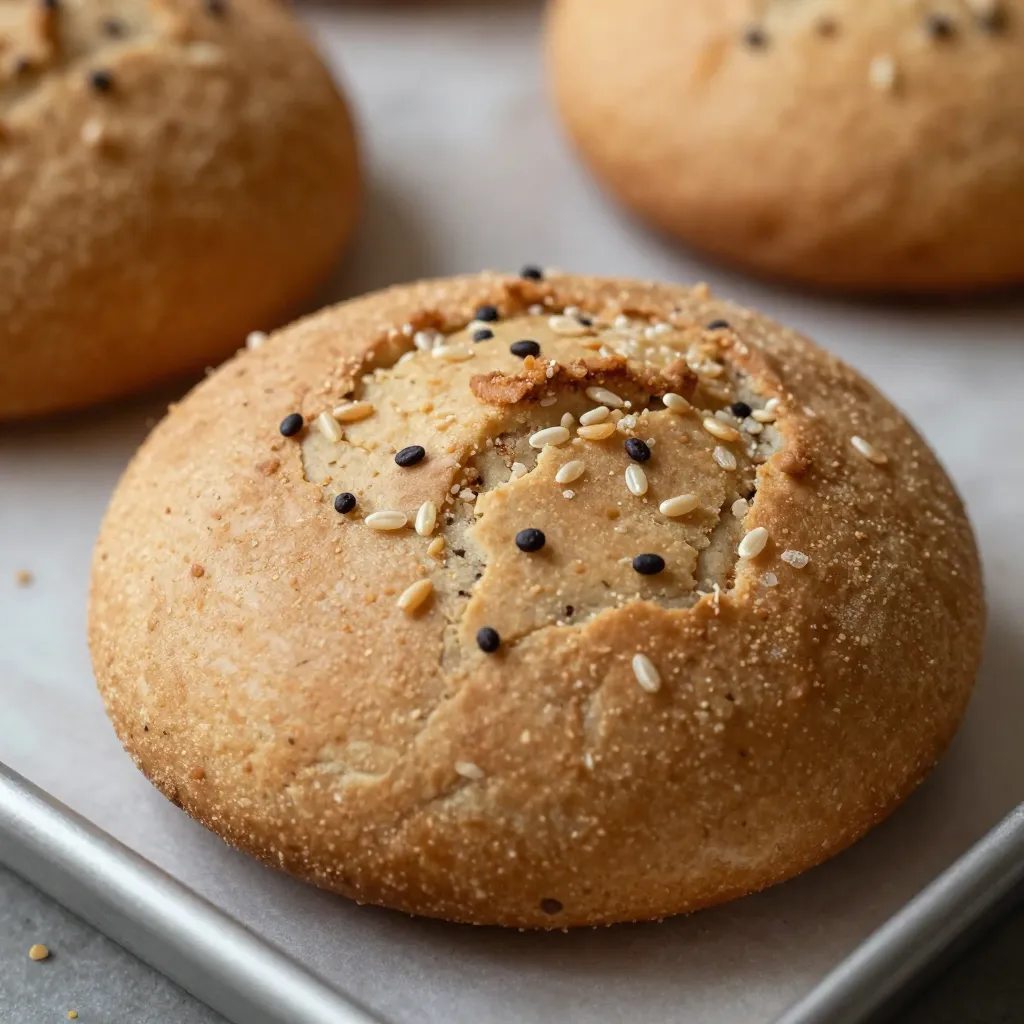
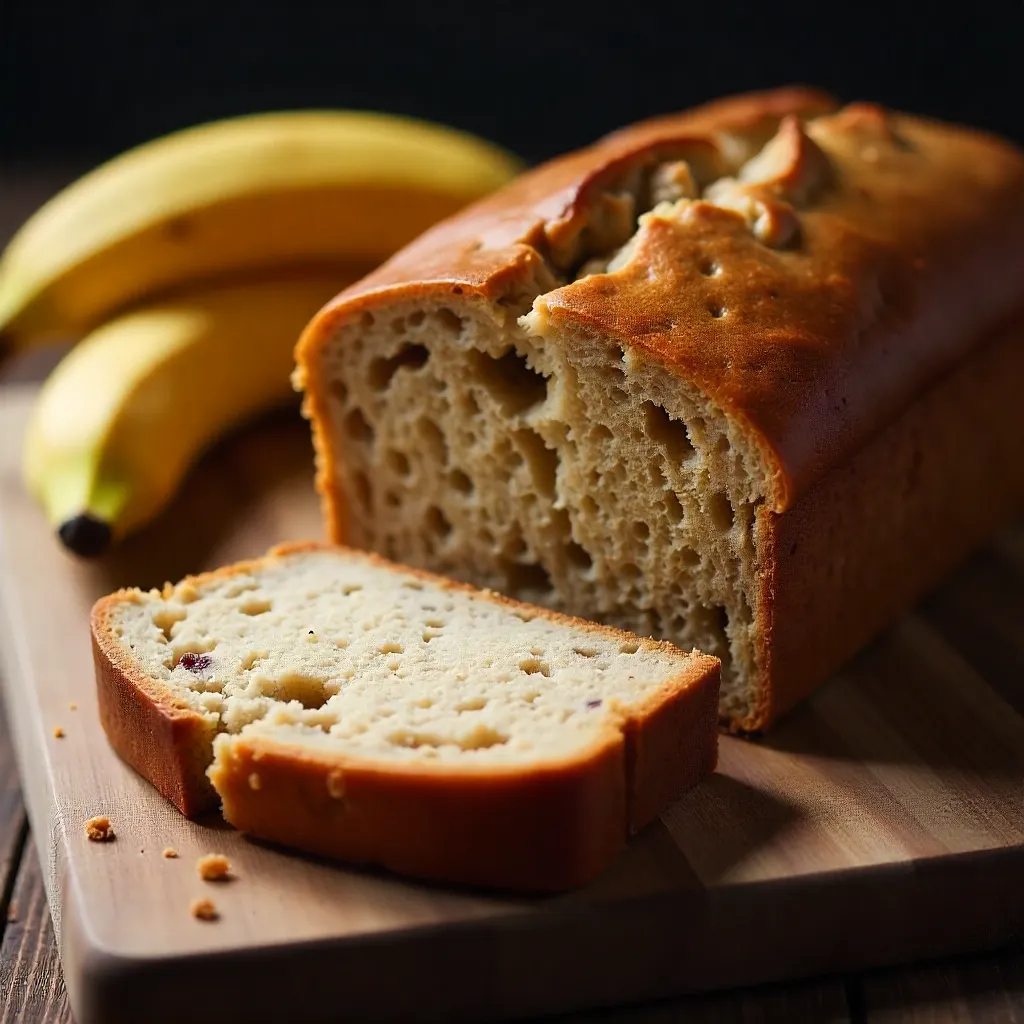
Whole grain flour that's been sifted to remove some bran while retaining most of the germ. Typically 85-95% extraction. Offers a balance between nutrition and lightness.

Best for: Artisan breads, pizza dough, enriched breads
Bolted flour

Bolted Flour (Medium Extraction)

Flour that's been sifted through progressively finer sieves. Removes most bran and some germ. Extraction rate: 70-85%. Lighter texture while maintaining some whole grain benefits.

Best for: Pastries, cakes, lighter breads, pasta

White flour

White Flour (Low Extraction)

Highly refined flour with bran and germ removed. Extraction rate: 60-70%. Lightest texture but lowest nutritional value. Rarely used with ancient grains, as it defeats their purpose.

Best for: Delicate pastries, specialty applications

Extraction Rates Explained

Extraction rate refers to the percentage of the original grain that remains in the final flour. A 100% extraction means all parts of the grain are included (whole grain). Lower extraction rates mean more bran and germ have been removed.

For ancient grains, most bakers prefer 85-100% extraction to maximize flavor and nutrition. The extraction rate directly affects:

Home Milling Equipment

Stone mill equipment

Stone Mills

Traditional stone mills use two rotating stones to crush grain. They produce flour with excellent flavor and preserve nutrients. Can be manual or electric. Best for: Whole grain flour, preserving grain character.

Pros: Excellent flavor, low heat generation, versatile

Cons: Slower, requires maintenance, higher cost

Impact mill

Impact Mills

High-speed impact mills use rotating blades to pulverize grain. Fast and efficient, but generate more heat. Best for: Quick milling, fine flour, high volume.

Pros: Fast, affordable, easy to clean

Cons: Heat generation, can affect flavor, less control

Burr mill

Burr Mills

Burr mills use metal or ceramic burrs to grind grain. Offer good control over coarseness. Best for: Consistent results, adjustable texture, coffee-style grinding.

Pros: Adjustable, consistent, good for small batches

Cons: Can be slow, requires calibration

Milling Techniques

1. Grain Preparation: Clean your grains thoroughly. Remove any debris, stones, or damaged kernels. Some grains benefit from a light rinse and thorough drying before milling.

2. Milling Temperature: Keep milling cool. Heat can damage oils in the germ and affect flavor. If your mill gets warm, mill in smaller batches and allow cooling between runs.

3. Coarseness Control: Start with a coarser setting and adjust based on your needs. For bread, medium-fine is ideal. For pastries, go finer. Test different settings to find what works best for your recipes.

4. Sifting Process: After milling, sift through appropriate sieves to achieve desired extraction. Save the bran separately—it can be added back in controlled amounts or used in other recipes.

Storage & Freshness

Proper storage is critical for maintaining flour quality. Fresh-milled flour is highly perishable and should be used within days or weeks, not months.

Flour storage containers

Short-Term Storage (1-2 weeks)

Store in airtight containers at room temperature. Use glass jars with tight-fitting lids. Keep in a cool, dark pantry away from heat sources.

Refrigerated flour storage

Medium-Term Storage (2-4 weeks)

Refrigerate in airtight containers. The cold slows oxidation and preserves freshness. Bring to room temperature before using in recipes.

Frozen flour storage

Long-Term Storage (1-3 months)

Freeze in airtight, freezer-safe containers. Freezing halts oxidation completely. Thaw completely before use and use within a few days of thawing.

Signs of Stale Flour: Rancid or musty smell, loss of fresh grain aroma, reduced fermentation activity, dull color. When in doubt, mill fresh—it only takes minutes.

Maintaining Your Mill

Regular maintenance ensures consistent results and extends your mill's lifespan. Clean thoroughly after each use, especially when switching between grain types. Check burrs or stones for wear and replace as needed. Store your mill in a dry location to prevent rust or damage.

For stone mills, occasional "seasoning" runs with a small amount of grain help maintain the stones. Impact and burr mills benefit from periodic deep cleaning and lubrication of moving parts.